
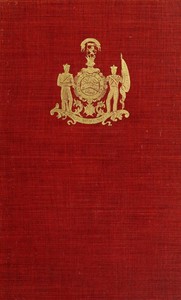
The Autobiography of Lieutenant-General Sir Harry Smith, Baronet of Aliwal on…
Sir Harry Smith's autobiography is a direct line to the battlefields, ballrooms, and frontier outposts of the early 19th century. He writes with the urgency of someone who has seen history happen and wants to set the record straight.
The Story
Smith takes us from his boyhood to his final post as Governor of the Cape Colony. The narrative is a whirlwind tour of the Napoleonic Wars, where he served with distinction at Waterloo, and then to Southern Africa, where his life became intertwined with the Xhosa Wars and the Great Trek. A huge, often overlooked, part of the story is his legendary romance with his Spanish wife, Juana. He famously married her after the siege of Badajoz when she was just 14, and their lifelong partnership is a compelling thread of loyalty and love running through all the military campaigns. The book is less a single plot and more a series of incredible episodes—close calls in battle, difficult negotiations with indigenous leaders, and the daily grind of managing a volatile colony.
Why You Should Read It
You read this for the voice. Smith is not a modern historian; he's a man of his time, full of pride, prejudice, and breathtaking courage. His perspective is unfiltered. You get his genuine admiration for some Xhosa chiefs alongside his unwavering belief in British superiority. This contradiction is what makes it so valuable. It doesn't preach about imperialism; it shows you how one intelligent, capable man lived it, believed in it, and struggled with its messy reality. Juana's presence also adds a unique dimension, offering glimpses of the personal cost of a soldier's life. It’s a character study of a fascinating, flawed human being who helped shape a continent.
Final Verdict
This is a perfect pick for history lovers who want to move beyond textbooks and hear a participant's raw, opinionated story. If you enjoyed memoirs like Grant's or Sherman's, you'll appreciate Smith's direct style. It's also great for anyone interested in the human side of colonial history, with all its uncomfortable complexities. A word of warning: his attitudes are very much of the 1800s, so be prepared for that. But if you can read it as a primary source—a captivating, egotistical, and utterly sincere document from the front lines of empire—you'll find it incredibly rewarding.
This digital edition is based on a public domain text. Feel free to use it for personal or commercial purposes.
Richard Jackson
1 year agoThe research depth is palpable from the very first chapter.
Barbara Smith
6 months agoI've gone through the entire material twice now, and the author’s unique perspective adds a fresh layer to the discussion. It’s a comprehensive resource that doesn't feel bloated.
Oliver Allen
3 months agoTo be perfectly clear, it provides a comprehensive overview perfect for everyone. I learned so much from this.
Patricia Jackson
1 year agoAfter hearing about this author multiple times, the clarity of the writing makes this accessible. Definitely a 5-star read.






Ashley Harris
8 months agoAs a long-time follower of this subject matter, the critical analysis of current industry standards is very timely. I'm genuinely impressed by the quality of this digital edition.